

Creatine for Women: Benefits, Dosing and the Bulk Myth
How much creatine should women take?
Creatine works the same way in women as in men and is equally safe at 3–5 grams a day. Women typically start with 70–80% of the muscle creatine stores men have and often eat less dietary creatine, so the relative benefit can be larger. It does not cause bulk — women lack the testosterone levels required for rapid mass gain, and the early 1–2 lb scale change is water inside muscle cells. Emerging research also suggests benefits for mood, sleep-deprived cognition, and strength maintenance through perimenopause and menopause when paired with resistance training.
- Same dose as men: 3–5 g of creatine monohydrate daily
- Women start with lower baseline stores, so the relative gain can be larger
- No bulking effect — hormonal physiology makes rapid mass gain unlikely
- Early scale change is intracellular water, not fat
- Especially promising through perimenopause and menopause with resistance training
Should women take creatine?
Most active women benefit. Dosing, safety and mechanism are identical to men, and women's lower baseline muscle creatine stores can mean a larger relative response.
Will creatine make women bulky?
No. Building substantial muscle mass requires a large calorie surplus, years of heavy training and hormonal conditions most women do not have. Creatine adds strength and fuller-looking muscle, not bulk.
How much creatine should a woman take?
3–5 grams of creatine monohydrate daily. Smaller-framed women can sit at 3 grams and see the same saturation.
Is creatine helpful during menopause?
Evidence is promising. Combined with resistance training, creatine supports lean mass, bone-loading capacity and strength at a life stage where all three decline quickly.
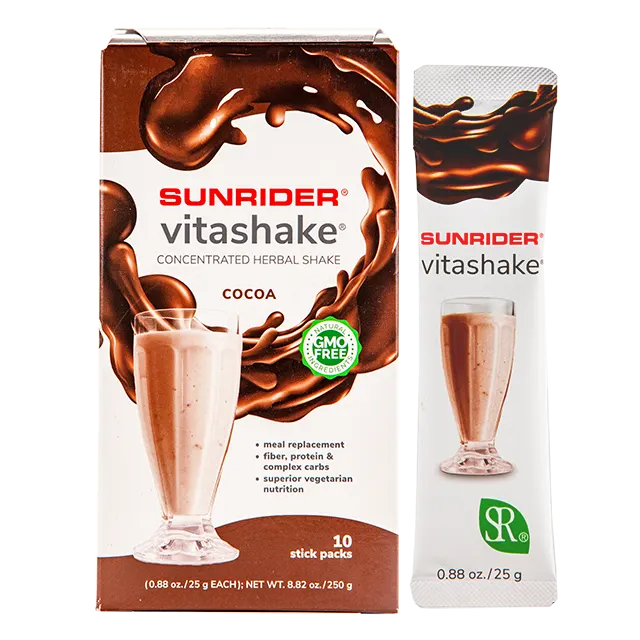
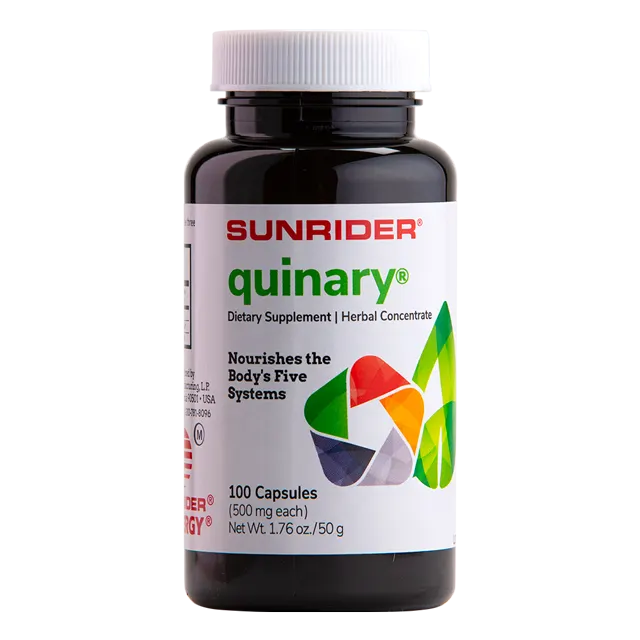
Creatine multiplies a good nutritional base. These are the whole-food protein and herbal formulas women in our community build that base with.
Browse the full catalog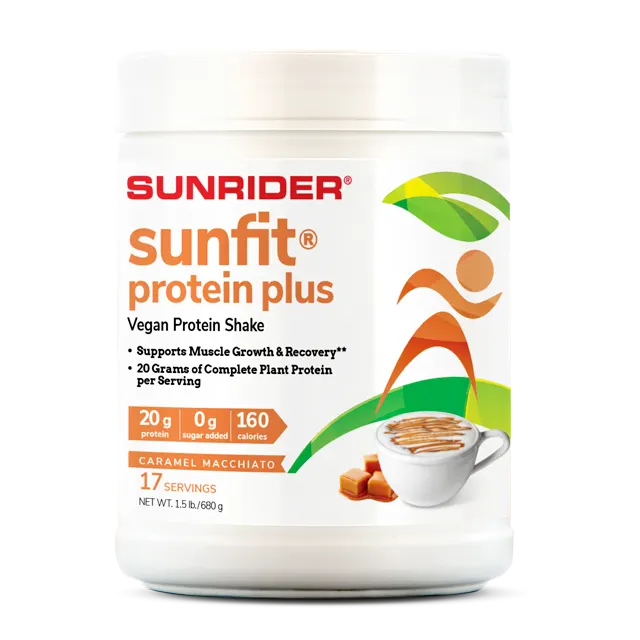

Creatine research was long conducted mostly on young men, which is one reason women were told to avoid it. The newer literature tells a different story — and in several ways a more favourable one.
Why women may respond more, not less
Women carry roughly 70–80% of the intramuscular creatine that men do and often consume less creatine-rich food. A lower starting point means more room for supplementation to raise stores.
Studies in women show the expected improvements in strength, sprint performance and training volume, on par with results in male cohorts.
The bulk myth, dismantled
Muscle mass responds to progressive overload, sustained calorie intake and hormones. Creatine improves the quality of your training; it does not override the other three requirements.
The realistic outcome of a year of creatine plus consistent lifting is a stronger, more defined physique — the look most women say they want.
Dose, timing and getting started
Take 3–5 g of creatine monohydrate daily, with a meal or in a shake. Skip the loading phase; it offers no long-term advantage and makes early water gain more noticeable.
Expect to feel nothing dramatic. The evidence shows up in your training log at week four to six.
- 3–5 g daily, every day, including rest days
- Plain micronized monohydrate — skip 'for women' branded blends at a markup
- Pair with 0.7–1.0 g of protein per pound of body weight
- Give it eight weeks before judging
Hormones, perimenopause and bone health
Falling estrogen accelerates loss of muscle and bone density. Resistance training is the primary countermeasure, and creatine appears to amplify its effect on lean mass and strength.
Because stronger muscles let you load bone more effectively, the downstream skeletal benefit is a genuinely meaningful reason for women over 45 to consider it.
Creatine multiplies a good nutritional base. These are the whole-food protein and herbal formulas women in our community build that base with.
Browse the full catalogFrequently asked
- How much creatine should women take?
- 3–5 grams of creatine monohydrate a day — the same as men, with smaller-framed women fine at the lower end.
- Does creatine cause weight gain in women?
- It can add 1–2 lb of intracellular water in the first weeks. This is not fat and typically stabilizes quickly.
- Is creatine safe while pregnant or nursing?
- There is not enough research to recommend it. Speak with your clinician.
- Do women need a special creatine product?
- No. Plain creatine monohydrate is the studied form. Gendered blends usually cost more for the same ingredient.
Put it into practice
Browse whole-food herbal nutrition, clean beauty, and non-toxic home essentials from Sunrider's own farms and labs.