

Adaptogens and Herbal Tea: What the Tradition Gets Right
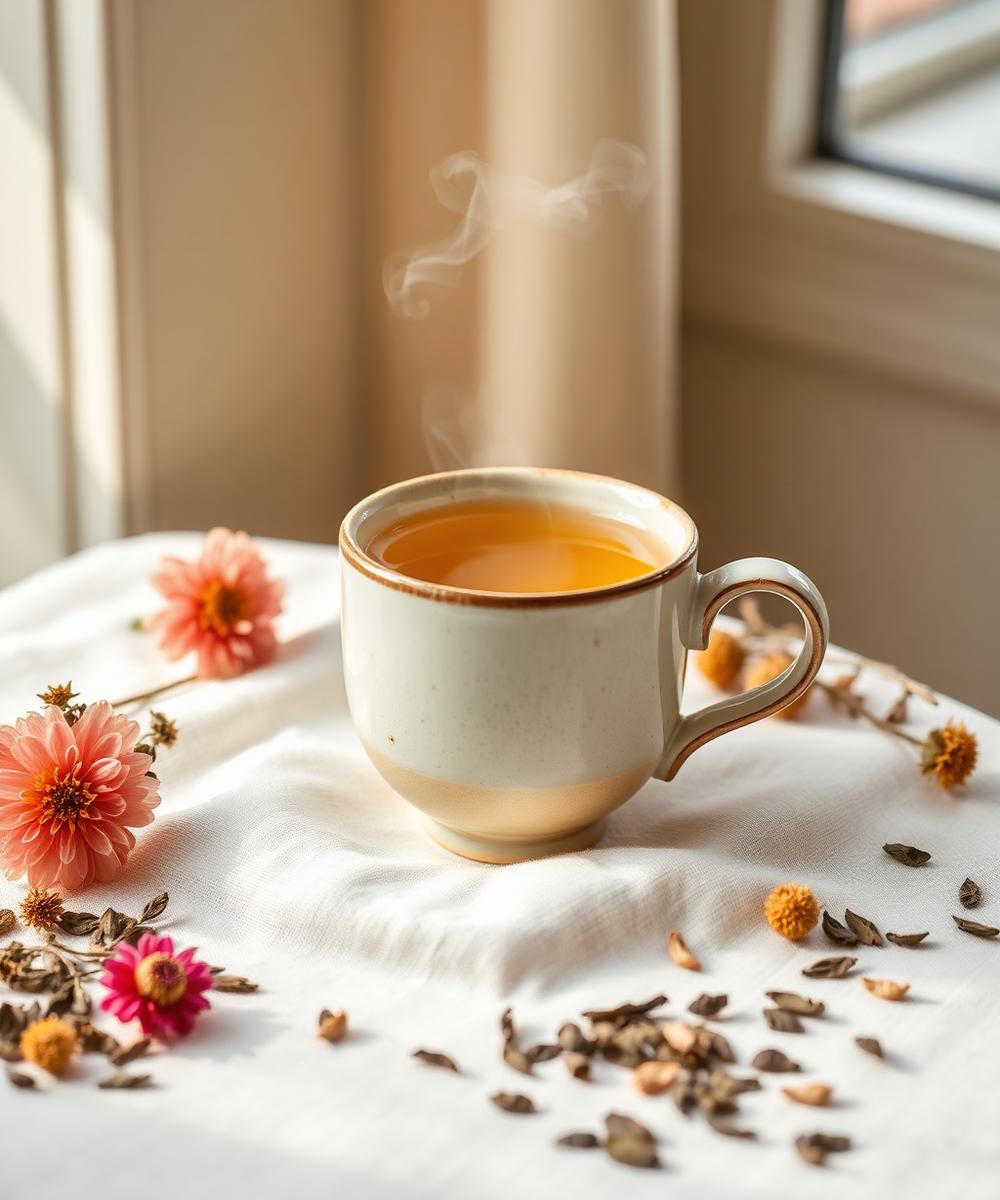
Adaptogen became a wellness buzzword around 2019. The underlying idea is far older: certain plants help the body hold its balance under stress rather than pushing it in one direction.
What adaptogenic actually claims
A true adaptogen is non-specific — it nudges an over-active system down and an under-active one up. That two-way action is why traditional practice treats these herbs as daily food rather than acute medicine.
It is also why you should be suspicious of any adaptogen sold as an instant effect. The response builds over weeks.
Tea is the most underrated delivery system
Hot water extraction has been the standard preparation for millennia because it works: it pulls the water-soluble constituents efficiently, it hydrates, and the ritual itself lowers arousal before the herbs do anything.
Swapping the third coffee of the day for a herbal concentrate is the highest-leverage change most people can make in a week.
- Morning: lighter, cleansing herbal blends
- Afternoon: replace the caffeine spike, keep the ritual
- Evening: calming, non-caffeinated infusions
Quality is a farming question
Herb potency varies enormously with soil, harvest timing, and drying method. The brands worth your money control those steps. Everything else is repackaging.
Frequently asked
- How long do adaptogens take to work?
- Most traditions and modern trials point to two to eight weeks of consistent daily use before the effect on stress resilience is noticeable.
- Can I drink herbal tea every day?
- Yes. Daily use is the intended pattern for most food-grade herbal blends, which is what separates them from concentrated medicinal doses.
Put it into practice
Browse whole-food herbal nutrition, clean beauty, and non-toxic home essentials — or explore building a wellness business of your own.