

Vegan Protein Powder: How to Choose One That Actually Digests Well
Plant-based protein has gone from niche to mainstream, and the shelf is crowded. The difference between a powder that leaves you bloated and one that quietly becomes part of your morning usually comes down to three things: the protein source, how it was processed, and everything else in the tub.
Protein source matters more than the protein number
Most vegan powders lean on pea or soy isolate because they hit a high protein-per-scoop number cheaply. Isolates are stripped of the fiber, fats, and cofactors that came with the original plant, which is exactly why some people find them harsh on digestion.
Whole-food formulas take a different route. Instead of extracting a single fraction, they concentrate the whole plant — protein alongside its native fiber and phytonutrients — so your gut recognizes it as food rather than a chemical fraction.
- Pea isolate: high protein, budget friendly, can be gritty and gas-forming
- Soy isolate: complete amino profile, heavily processed
- Rice protein: gentle but low in lysine on its own
- Whole-food blends: lower protein per scoop, far easier on digestion
The heavy-metal question people keep searching
Plants pull minerals — and sometimes cadmium or lead — from soil, so protein powders concentrate whatever the crop absorbed. This is a sourcing and testing problem, not a reason to avoid plant protein.
Ask one question of any brand: do they own or tightly control their farms and manufacturing, and do they batch-test? Vertically integrated manufacturers can answer that immediately. Brands that white-label from a broker usually cannot.
Read the back of the tub, not the front
Gums, sucralose, natural flavors, and maltodextrin are there to fix the mouthfeel of an isolate. They are also the most common cause of the bloating people blame on protein itself.
A short ingredient list is the single best predictor of how a powder will feel an hour after you drink it.
How we use plant protein day to day
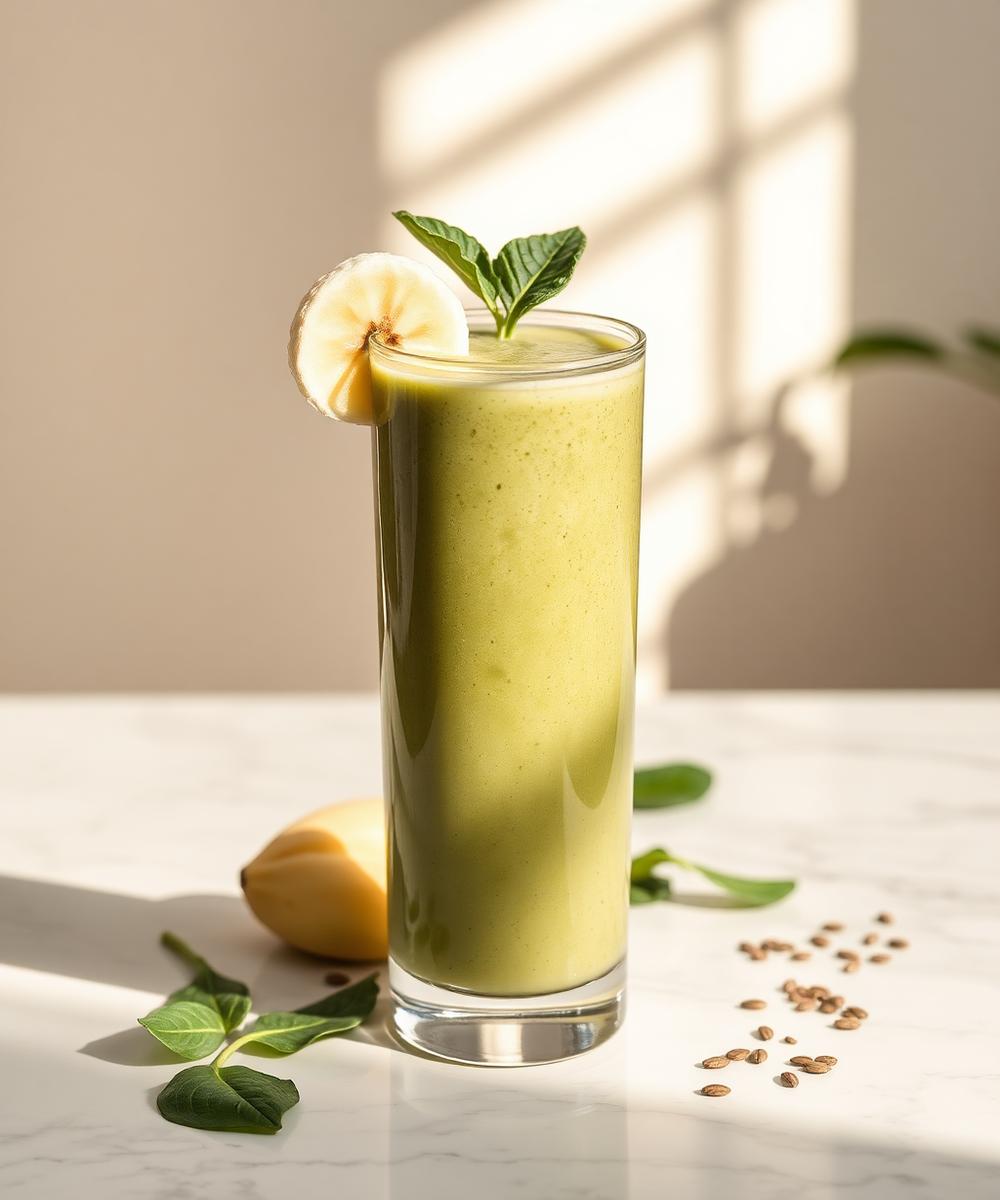
In our house, protein is a base, not a meal. A whole-food shake blended with frozen berries and a spoon of nut butter after training, or stirred into oats on a rushed morning. The point is consistency you can sustain, not a single heroic 40-gram scoop.
Frequently asked
- Is vegan protein powder healthy?
- Yes, when it comes from a clean source with minimal additives. Look for whole-food or minimally processed plant protein, a short ingredient list, and a manufacturer that batch-tests for heavy metals.
- What is vegan protein powder made of?
- Most are made from pea, soy, rice, hemp, or pumpkin seed protein. Whole-food formulas use concentrated whole plants and grains instead of a single isolated protein fraction.
- Can vegan protein powder upset your stomach?
- It can, usually because of isolates, gums, or sugar alcohols rather than the plant itself. Switching to a whole-food formula with fewer additives resolves it for most people.
Put it into practice
Browse whole-food herbal nutrition, clean beauty, and non-toxic home essentials — or explore building a wellness business of your own.