

What Is Creatine? The Plain-English Guide to How It Works
What is creatine?
Creatine is a compound your body makes from three amino acids (glycine, arginine and methionine) and also gets from meat and fish. It is stored in muscle as phosphocreatine, where it rapidly regenerates ATP — the molecule your muscles spend during short, intense efforts. Supplementing 3–5 grams of creatine monohydrate daily raises muscle stores by roughly 20–40%, which typically improves strength, power output and training volume, and supports lean mass gains over weeks of training. It is one of the most studied supplements in existence and is considered safe for healthy adults at these doses.
- Creatine recycles ATP — your muscle's fastest energy currency
- 3–5 g per day of creatine monohydrate is the standard, evidence-backed dose
- Raises muscle creatine stores by roughly 20–40% within 2–4 weeks
- Vegetarians and vegans usually start with the lowest stores and respond most
- Creatine works with adequate protein and calories — never instead of them
What is creatine in simple terms?
Creatine is a natural compound stored in your muscles that recycles ATP, letting you produce more force during short, intense efforts like lifting, sprinting and jumping.
Your body makes about 1 gram a day and you get another 1–2 grams from meat and fish.
Read more: How creatine actually produces energyIs creatine a steroid?
No. Creatine is not a hormone or a steroid. It is an amino-acid derivative found in ordinary food such as beef, salmon and herring, and it works by improving cellular energy availability, not by altering hormones.
What does creatine actually do for you?
In well-controlled studies, creatine increases strength and power by roughly 5–15%, improves training volume, supports lean muscle gain, and shows promise for cognitive performance under fatigue.
The effect comes from doing more quality work over time, not from an instant boost.
Read more: What the research consistently showsWho should not take creatine?
People with existing kidney disease, those on medications affecting kidney function, and anyone pregnant or nursing should speak to a clinician first. For healthy adults, decades of research show no harm at 3–5 g daily.
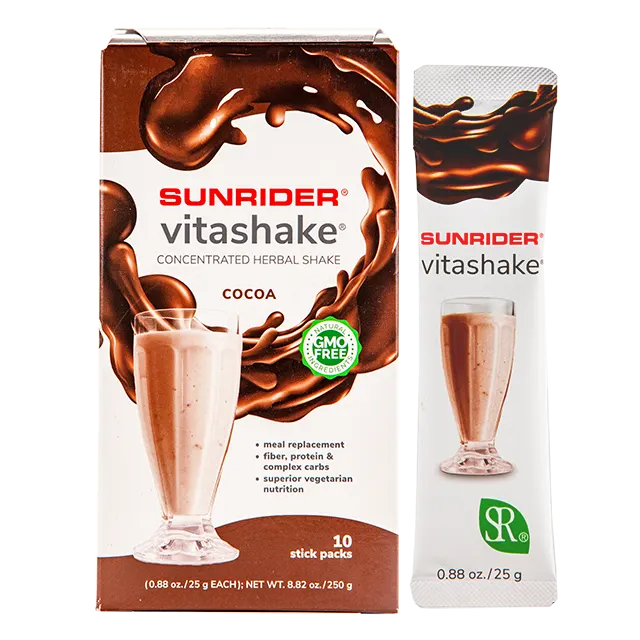
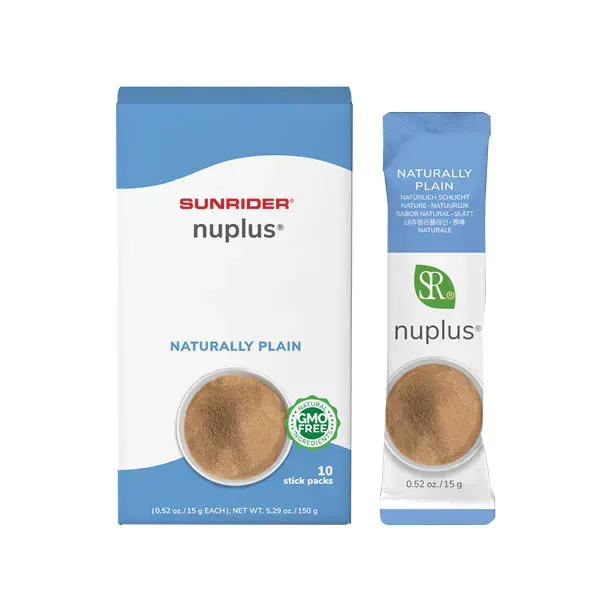
Creatine only pays off when the rest of the diet is handled. These whole-food formulas cover the protein and micronutrient base that creatine builds on.
Browse the full catalog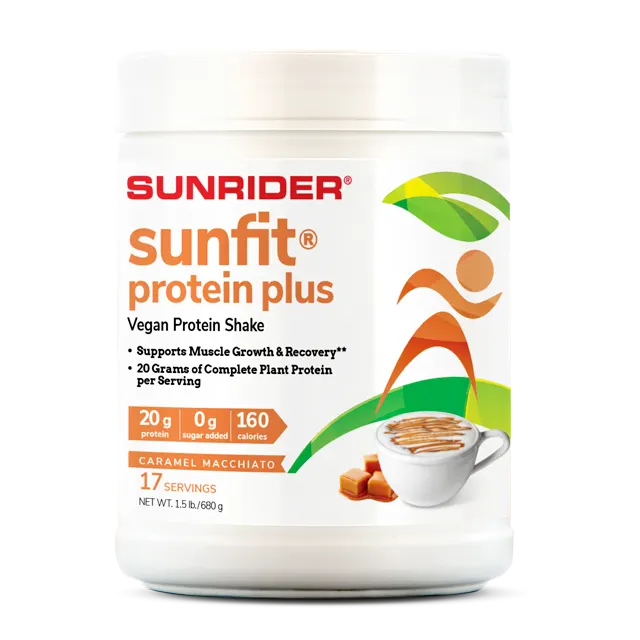

Creatine is the most researched sports supplement on the shelf and also the most misunderstood. It is not a stimulant, not a steroid, and not a shortcut. It is a way to give your muscles more of the fuel they already use.
How creatine actually produces energy
Every muscle contraction spends ATP. During an all-out effort, your stored ATP runs out in a few seconds. Phosphocreatine steps in and donates a phosphate group to rebuild ATP almost instantly, which is why creatine matters most in the first 10–30 seconds of hard work.
Supplementing simply tops up the tank. A larger phosphocreatine pool means you rebuild ATP faster between reps and sets, so you finish two extra reps this week and a few hundred extra reps this quarter. The muscle you gain is the result of that accumulated work.
- Best for: lifting, sprinting, jumping, combat sports, interval training
- Modest effect for: steady-state endurance beyond a few minutes
- No effect on: flexibility, skill or technique
What the research consistently shows
Meta-analyses across hundreds of trials converge on the same picture: creatine plus resistance training beats resistance training alone for strength and lean mass. Typical gains are a few percent more strength and one to two extra kilograms of lean mass over 8–12 weeks compared to placebo.
Emerging research also looks at cognition, particularly under sleep deprivation, and at healthy aging, where creatine paired with resistance training helps preserve muscle. Those areas are promising rather than settled.
| Outcome | Evidence | Typical effect |
|---|---|---|
| Strength and power | Strong | +5–15% over training alone |
| Lean mass | Strong | +1–2 kg over 8–12 weeks |
| Training volume | Strong | More quality reps per session |
| Cognition under fatigue | Emerging | Small but measurable |
| Fat loss | Weak | Indirect, via preserved muscle |
Common myths, answered directly
Creatine does not damage healthy kidneys — the elevated creatinine on a blood panel is a harmless by-product of higher creatine stores, not a sign of injury. It does not cause hair loss; that claim traces to a single small study of rugby players that has never been replicated.
It does not make you fat. Early weight gain is water pulled into muscle cells, which is a functional change, not fat. And it does not require cycling on and off.
Safety, side effects and who should be cautious
The main real-world side effects are mild bloating in the first week of a loading protocol and stomach discomfort if you take a large dose on an empty stomach. Both usually resolve by dropping to 3–5 g a day taken with food.
If you have kidney disease, take nephrotoxic medication, or are pregnant or nursing, talk to a clinician first.
Creatine is the last 5%, not the first 50%
Creatine works only when the fundamentals are handled: enough total protein, enough calories, progressive training and enough sleep. Adding creatine to an under-fed, under-slept routine changes very little.
That is why we treat it as an add-on to a whole-food base. Get the daily protein target and micronutrient coverage right first, then let creatine add its few percent on top.
Creatine only pays off when the rest of the diet is handled. These whole-food formulas cover the protein and micronutrient base that creatine builds on.
Browse the full catalogFrequently asked
- What is creatine?
- A compound made from three amino acids and stored in muscle as phosphocreatine, where it rapidly regenerates ATP for short, intense efforts.
- Is creatine safe?
- For healthy adults, yes — 3–5 g daily has decades of safety data. Anyone with kidney disease should consult a clinician first.
- How long until creatine works?
- Two to four weeks at 3–5 g a day, or about a week with a 20 g/day loading phase.
- Do I still need protein if I take creatine?
- Yes. Creatine improves the work you can do; protein supplies the material to rebuild from it. Neither replaces the other.
Put it into practice
Browse whole-food herbal nutrition, clean beauty, and non-toxic home essentials from Sunrider's own farms and labs.