

Plastic-Free Swaps That Actually Last (And the Three That Don't)

The plastic-free swaps worth making are the ones that replace something you rebuy weekly: bottled drinks, single-use cleaning containers, and disposable food storage. The swaps that fail are the ones that replace something durable you already own.
Start with what you rebuy, not what you own
Throwing out a working plastic container to buy a glass one creates waste today to prevent waste later. The math almost never works. The high-return swaps are consumables — anything entering your home in packaging every week.
Ranked by plastic removed per dollar spent: beverages first, cleaning products second, food storage third, personal care fourth.
- Powdered concentrates instead of bottled drinks — you stop shipping water in plastic
- Concentrated cleaners diluted at home instead of pre-mixed spray bottles
- Glass or steel storage bought gradually, as plastic containers actually wear out
- Bar or refill formats for soap and personal care
Concentrates are the highest-leverage swap
A bottled beverage is roughly 95% water in a plastic vessel that traveled on a truck. A powdered concentrate ships the other 5% and you add the water at home. One household switching its daily drink to a concentrate removes several hundred bottles a year.
The same logic applies to cleaning. A concentrated fruit-and-vegetable rinse or all-purpose cleaner refills the same spray bottle for a year instead of putting a new one in the recycling stream every six weeks.
Three swaps that usually don't last
Bamboo cutlery sets that live in a drawer because nobody remembers to carry them. Compostable produce bags that tear before the second use. Beeswax wraps for anything that needs a real seal — they are excellent over a bowl and useless around a sandwich in a bag.
A swap that requires you to be a different kind of person is not a swap. It is a purchase.
The laundry and dish aisle is the quiet win
Laundry detergent is sold in enormous plastic jugs at high dilution. A concentrated powder in a cardboard box, used at the correct dose, replaces four to six jugs a year and takes up a quarter of the shelf space.
Most people also over-dose detergent by roughly double, which means the concentrate lasts longer than the label math suggests.
Concentrates that replace bottled drinks and pre-mixed cleaners — the two swaps that remove the most plastic from a household.
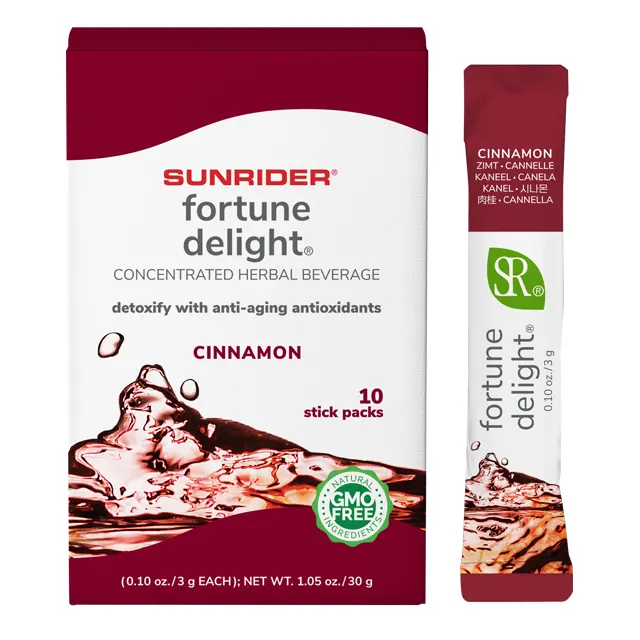
Fortune Delight®
$14.88Buy now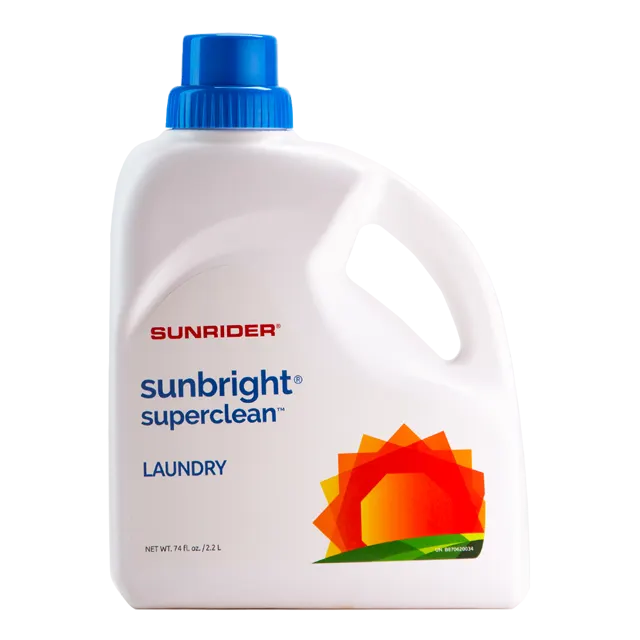
SunBright® SuperClean™ Laundry
$84.78Buy now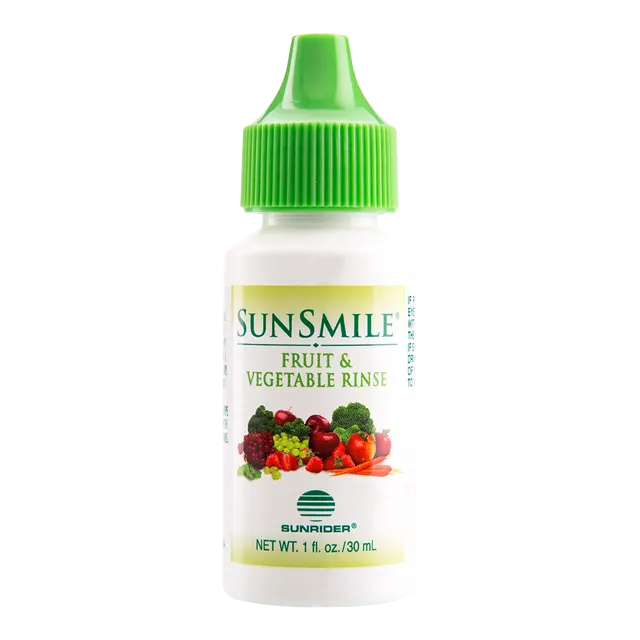
SunSmile® Fruit & Vegetable Rinse
$9.00Buy now
Frequently asked
- What is the easiest plastic-free swap to start with?
- Replace one bottled drink you buy weekly with a powdered concentrate you mix at home. It removes the most plastic for the least behavior change, because the habit stays identical.
- Are plastic-free products more expensive?
- Concentrates are usually cheaper per use because you stop paying to ship water. Durable goods like glass storage cost more upfront and less over five years.
- Is recycling plastic good enough?
- Only a small share of household plastic is actually recycled into new products. Reducing what enters the house is far more reliable than sorting it correctly on the way out.
Put it into practice
Browse whole-food herbal nutrition, clean beauty, and non-toxic home essentials — or explore building a wellness business of your own.