

Healthy Makeup: The Ingredients Worth Avoiding and the Ones That Are Fine
Healthy makeup means a short, disclosed ingredient list, no fragrance blend hiding behind the word "parfum", and a formulator willing to name where the pigments come from. It does not mean avoiding every ingredient with a chemical-sounding name.
The ingredients genuinely worth avoiding
The short list is short because most cosmetic ingredients are inert. What earns a place on it are ingredients with either a real exposure concern or a track record of contamination.
Undisclosed fragrance is the biggest one and the least discussed. "Fragrance" or "parfum" can legally represent dozens of undeclared compounds, and fragrance is the most common cause of cosmetic contact dermatitis.
- Undisclosed fragrance or parfum blends — the leading cause of cosmetic skin reactions
- Talc without asbestos-free testing documentation
- Formaldehyde-releasing preservatives (DMDM hydantoin, quaternium-15)
- Untested imported pigments with no heavy-metal testing on file
Ingredients clean beauty scared you about unnecessarily
Parabens at cosmetic concentrations have a long safety record and the alternatives that replaced them are frequently more irritating. Phenoxyethanol is fine. Mineral oil in cosmetic grade is one of the least reactive emollients available.
Preservatives exist because unpreserved makeup grows bacteria near your eyes. A preservative-free mascara is a worse product, not a cleaner one.
Botanical does not automatically mean gentle
Essential oils are among the most common irritants in natural cosmetics. Citrus oils are photosensitizing. Lavender and tea tree are frequent sensitizers. "Plant-derived" is a sourcing statement, not a safety claim.
The useful question is not whether an ingredient came from a plant, but whether the formulator discloses the full list and tests the finished product.
How to actually shop for it
Buy from companies that publish the complete INCI list, name their fragrance components, and can say where pigments are sourced. Vertically integrated manufacturers can answer these questions because they control the supply chain; resellers usually cannot.
Then buy fewer products. A short, well-formulated routine beats a drawer full of clean-labeled ones you use twice.
Skin health starts below the makeup
Most complaints people try to fix with foundation — dullness, uneven texture, slow healing — respond faster to hydration, protein and micronutrient intake than to a different base layer.
Treat makeup as the finish, not the treatment.
Botanical color and skincare from a manufacturer that owns its own formulation and testing — plus the nutrition that shows up in your skin first.
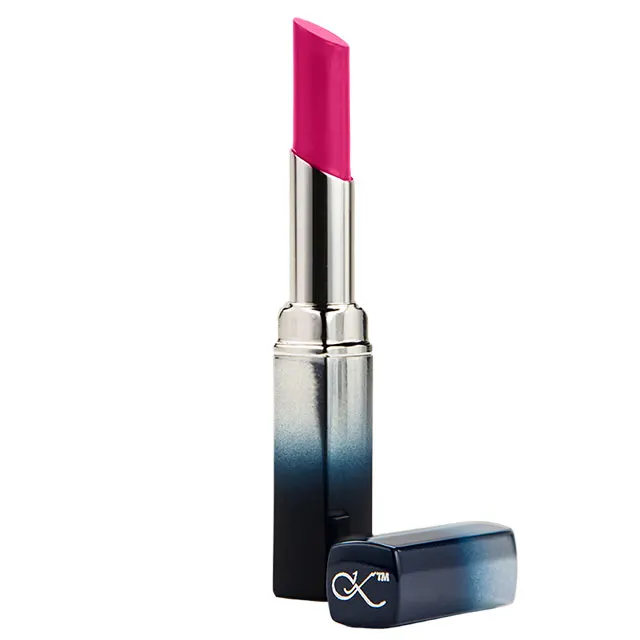
Kandesn® Lip Colors
$31.36Buy now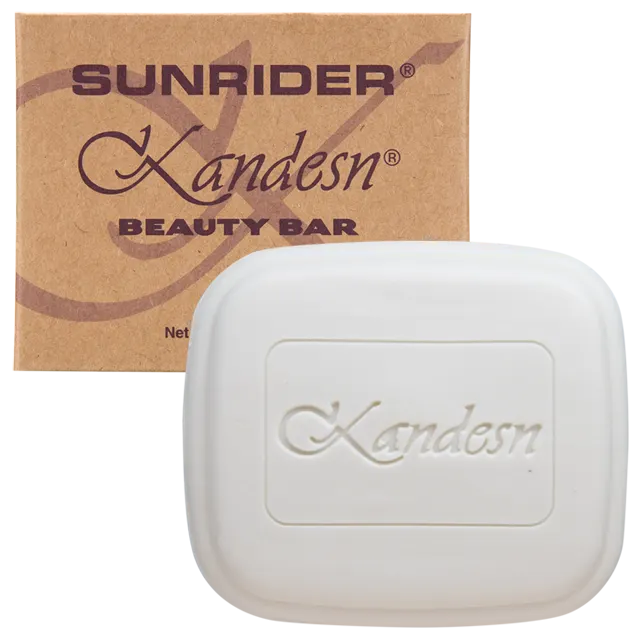
Kandesn® Beauty Bar
$22.21Buy now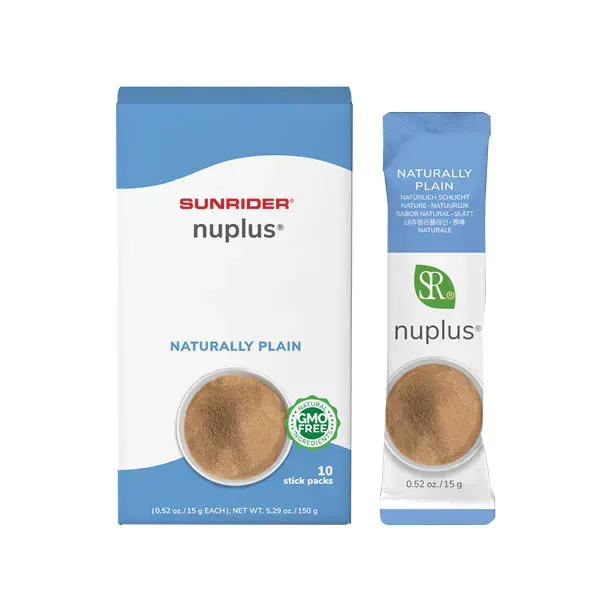
NuPlus®
$32.64Buy now
Frequently asked
- What ingredients should I avoid in makeup?
- Undisclosed fragrance or parfum, talc without asbestos-free testing, formaldehyde-releasing preservatives, and pigments from suppliers with no heavy-metal testing. Most other flagged ingredients are safe at cosmetic concentrations.
- Is clean beauty actually better for you?
- Products with short, fully disclosed ingredient lists cause fewer reactions, which is a real benefit. The broader clean-beauty claim that conventional cosmetics are dangerous is not well supported.
- Are parabens bad in makeup?
- At the concentrations used in cosmetics, parabens have a long safety record and are among the best-studied preservatives available. Several replacement preservatives cause more irritation.
- Does natural makeup expire faster?
- Yes, often. Lower preservative loads mean shorter shelf life once opened — usually six to twelve months for anything used near the eyes.
Put it into practice
Browse whole-food herbal nutrition, clean beauty, and non-toxic home essentials — or explore building a wellness business of your own.