

How to Build Muscle on a Plant-Based Diet
Can you build muscle without animal protein?
Building muscle on a plant-based diet requires the same three inputs as any other diet: progressive resistance training two to four times per week, a small calorie surplus, and 1.6–2.2 g of protein per kilogram of body weight daily. Plant proteins are slightly lower in leucine and digestibility, so plant-based lifters should aim toward the upper end of that protein range, combine complementary sources across the day, and consider creatine — which is essentially absent from plant foods, meaning vegetarians and vegans typically start with lower muscle creatine stores and respond more strongly to supplementation.
- Progressive overload is still the primary driver — nutrition is permissive, not causal
- Target the top of the protein range: ~1.0 g per lb of body weight
- Combine legumes, soy, grains and whole-food blends for a full amino profile
- Creatine stores are lower on plant-based diets, so response is larger
- A 5–10% calorie surplus is enough; more just adds fat
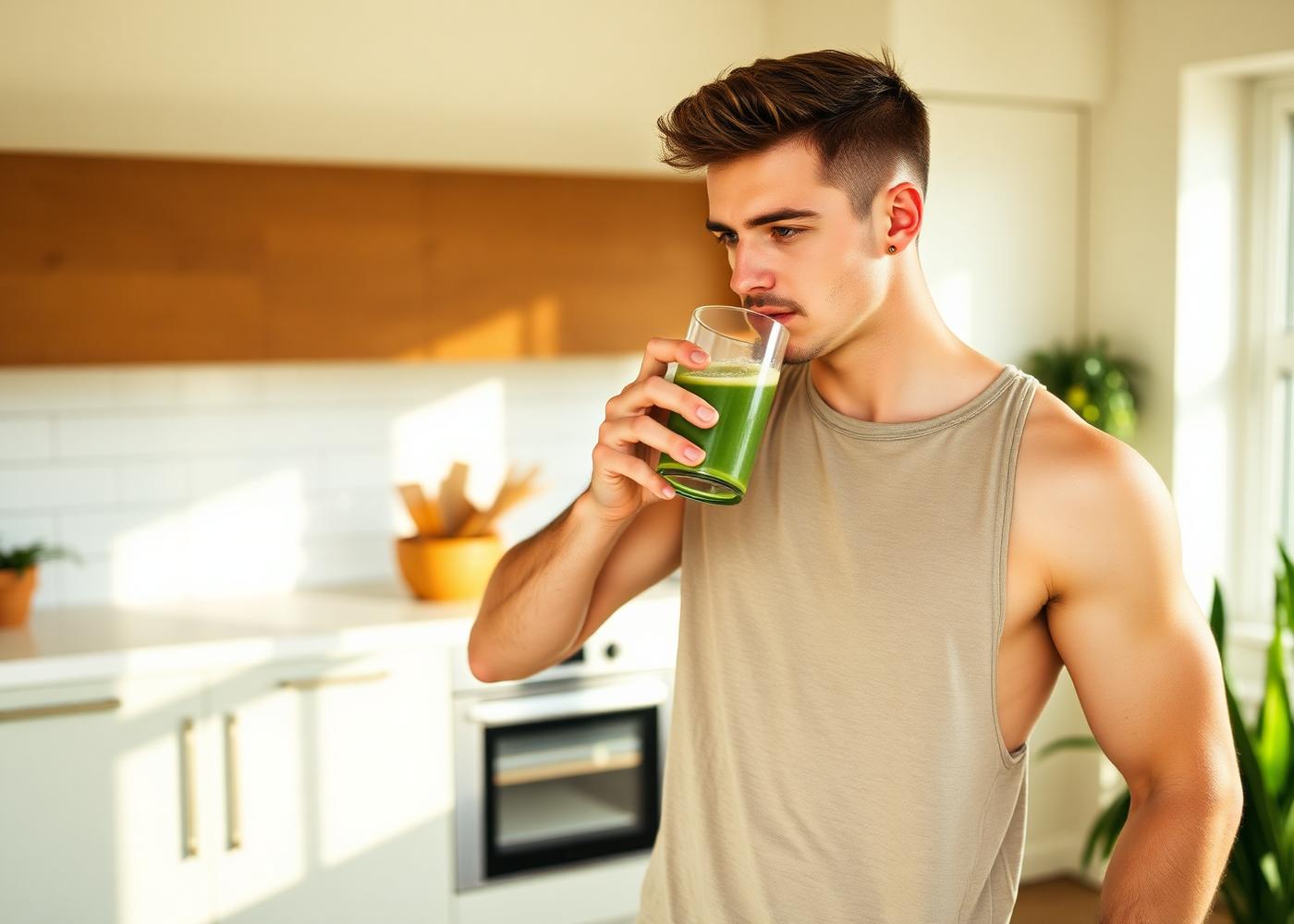
The idea that you need animal protein to build muscle has been tested directly, and it does not hold up. What matters is total protein, training stimulus, and consistency over months. Plant-based lifters simply have to be more deliberate about a few variables.
Training is still the signal
No dietary pattern builds muscle without a mechanical reason to. Two to four resistance sessions a week, taking most sets within a few reps of failure, and adding load or reps over time is the whole of it.
Ten to twenty hard sets per muscle group per week is the range where most people see steady progress. Below that, nutrition cannot compensate; above it, recovery usually becomes the limiter.
Protein: quantity first, quality second
Hit 1.6–2.2 g/kg daily and the source question becomes small. Plant proteins have slightly lower digestible indispensable amino acid scores, so eating toward the top of the range and varying sources closes the gap.
Soy, pea and whole-food herbal blends all contain adequate leucine when the serving is sized properly. The failure mode is not plant protein — it is a 12 g serving pretending to be a 30 g one.
- Soy and pea: highest leucine density among common plant sources
- Legume + grain combinations complement each other across the day
- Whole-food concentrates add fiber and micronutrients alongside protein
Creatine is the one genuine gap
Creatine is found almost exclusively in meat and fish. Vegetarians and vegans consistently show lower baseline muscle creatine, which is why studies find they gain more from supplementation than omnivores do.
It is one of the most studied and least controversial supplements in sports nutrition, and the vegan forms are synthesized rather than animal-derived.
Recovery, iron, B12 and the boring stuff
Sleep is the highest-leverage recovery variable, followed by total calories. Plant-based athletes should also keep an eye on B12, iron, zinc, iodine, and omega-3s — all fixable, all commonly overlooked.
Concentrated whole-food formulas are useful here precisely because they deliver a broad micronutrient base as food rather than as a stack of isolated pills.
Frequently asked
- Can you build muscle without animal protein?
- Yes. When total protein is matched, controlled studies find no meaningful difference in lean mass gains between plant-based and omnivorous diets.
- How many protein shakes a day for muscle gain?
- Most people need one or two — enough to close the gap between what they eat and their daily gram target. Shakes are a convenience tool, not a requirement.
- Do I need creatine on a plant-based diet?
- You do not need it, but plant-based diets contain almost no creatine, so supplementation tends to produce a larger measurable effect on strength and lean mass than it does in meat-eaters.
- How long does it take to build noticeable muscle?
- Most beginners see visible change in 8–12 weeks of consistent training and adequate protein. Rates slow substantially after the first year.
Put it into practice
Browse whole-food herbal nutrition, clean beauty, and non-toxic home essentials from Sunrider's own farms and labs.